Buying a used car can be a great way to get more for your money, but it’s important to know what you’re buying.
A car might look perfect at first glance, but its appearance doesn’t always tell the whole story. Taking a little extra time to carry out some basic checks could help you spot potential problems and make a more informed decision.
Before you hand over your money, here are 10 things worth checking when buying a used car.
1. Check the service history
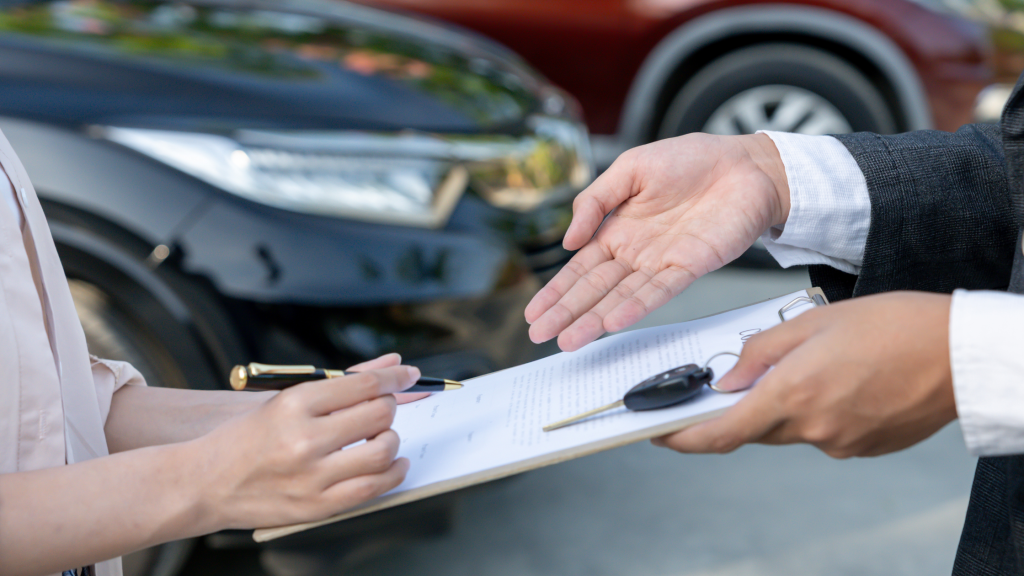
A car’s service history can give you a good indication of how well it has been looked after.
Look for evidence of regular servicing and maintenance, and check whether any important work has been carried out when required. Gaps in the service history aren’t necessarily a reason to walk away, but they should prompt you to ask more questions.
2. Inspect the tyres
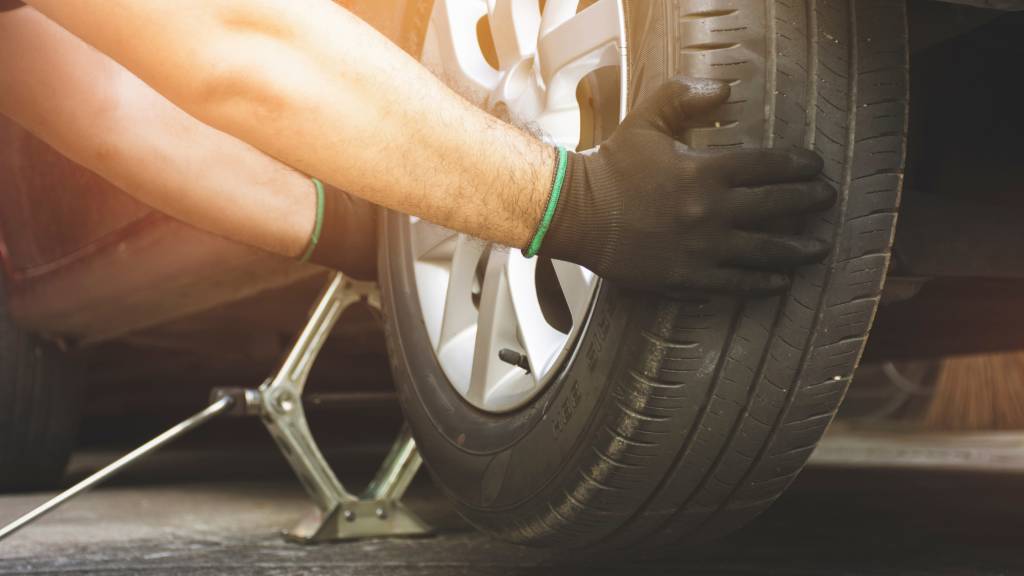
Take a look at all four tyres rather than checking just the most visible ones.
Uneven tyre wear could indicate issues with wheel alignment or suspension. You should also check the tread depth and general condition of each tyre, including for cracks, damage or excessive wear.
Remember, replacing four tyres shortly after buying a car is an expense you’ll want to factor into your budget.

3. Look for signs of previous accident repairs
Walk around the car in good light and look carefully at the bodywork.
Different shades of paint, unusual gaps between panels or signs of overspray could suggest that repair work has previously been carried out.
Previous repairs don’t automatically make a car a bad purchase, but you should understand what work has been done and why.
4. Test the electrical features
It’s easy to focus on the engine and forget about everything else.
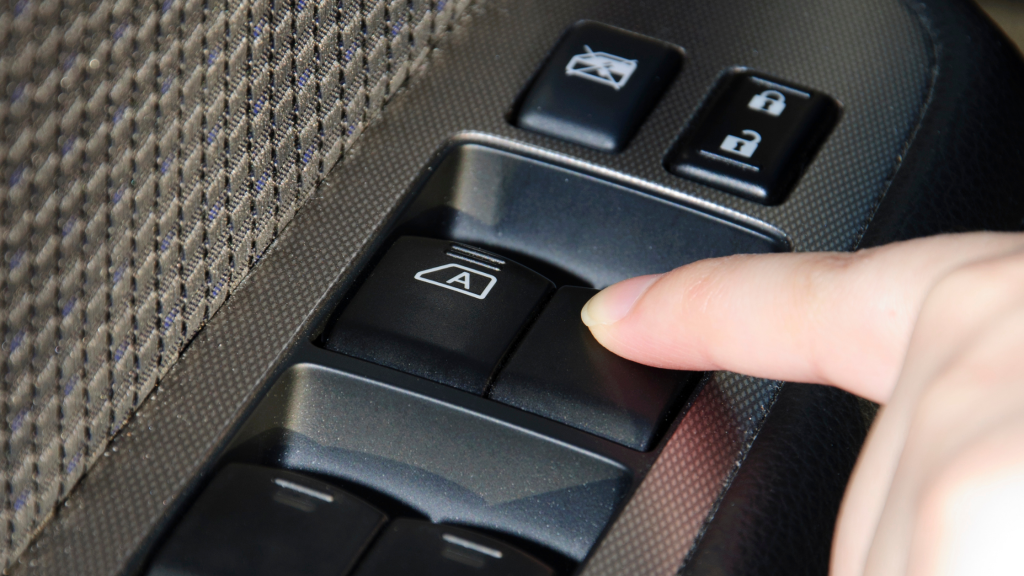
Try the windows, central locking, lights, indicators, air conditioning, infotainment system, parking sensors, cameras and any other electrical features fitted to the car.
Small faults can quickly add up, so make sure everything works as expected.
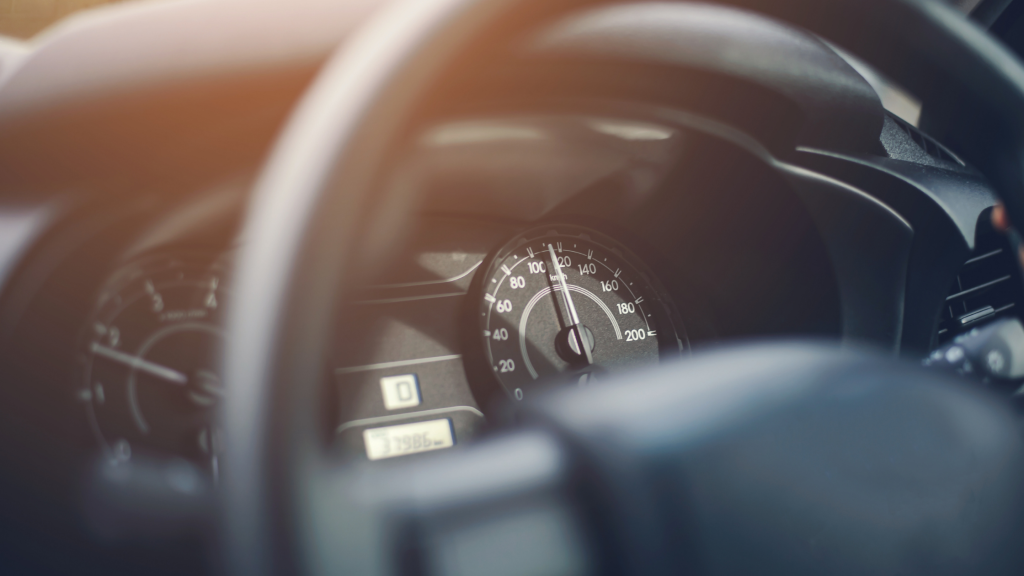
5. Compare the mileage with the car’s condition
Low mileage can be appealing, but lower mileage doesn’t automatically mean a better car.
Think about whether the mileage makes sense for the car’s age and overall condition. A well-maintained car with higher mileage may sometimes be a better choice than a lower-mileage vehicle that hasn’t been properly looked after.
Condition, maintenance and history should all form part of your decision.

6. Listen for unusual noises
When the engine starts, listen carefully.
Knocking, rattling, squealing or other unusual noises could indicate that something needs attention. Keep listening while you’re driving too, particularly when accelerating, braking, steering and travelling over uneven roads.
If something doesn’t sound right, don’t simply assume it will be an inexpensive fix.

7. Take a proper test drive
Never underestimate the importance of actually driving the car.
Try to drive on a mixture of roads where possible and pay attention to how the car accelerates, brakes, steers and changes gear.
Does it pull to one side? Are there vibrations? Does the clutch feel right? Are there warning lights on the dashboard?
A proper test drive can reveal things you simply won’t notice when the car is parked.
8. Verify the vehicle and ownership details
Before agreeing to buy, make sure the vehicle’s details match the relevant documentation.
Check details such as the registration, Vehicle Identification Number (VIN) and information supplied by the seller.
You should also make sure you understand exactly who is selling the vehicle and that they have the right to do so.

9. Check for outstanding finance
This is an important check that can easily be overlooked.
If a vehicle has outstanding finance attached to it, the person selling it may not yet legally own it outright. Carrying out an appropriate vehicle history check can also help uncover other useful information about the car’s past.
Don’t rely solely on what you’re told – carry out your own checks before committing to the purchase.
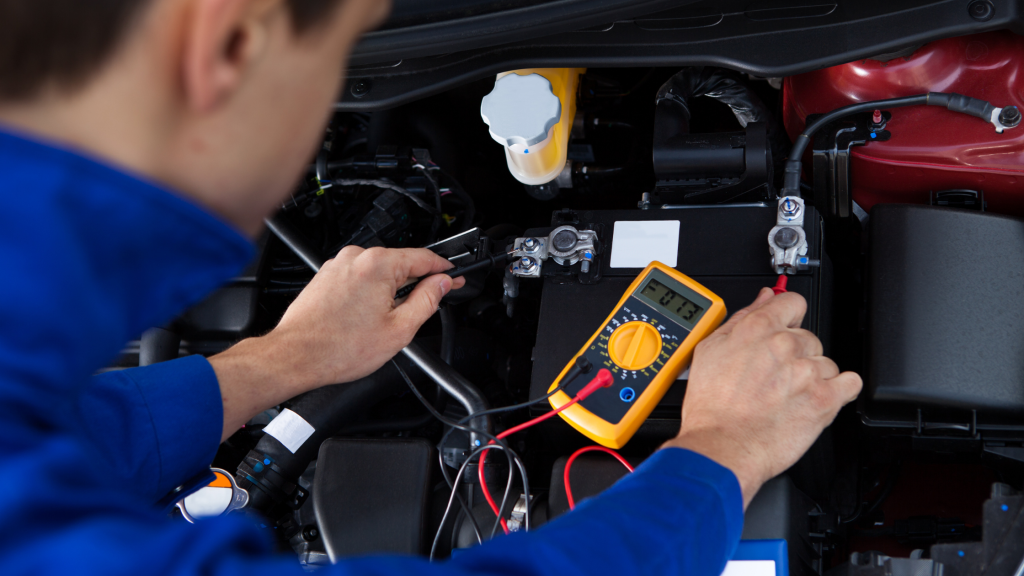
10. If you’re unsure, get an independent inspection
You don’t have to be a car expert to buy a used car.
If you’re unsure about the condition of a vehicle, consider having it inspected by a qualified independent professional before you buy.
It may mean spending a little more upfront, but identifying a significant problem before purchasing could save you considerably more later.
Take your time before you buy
A used car is a significant purchase, so don’t feel pressured into making an immediate decision.
Check the history, inspect the vehicle, ask questions and take it for a proper test drive. If something doesn’t feel right, it’s okay to keep looking.
And remember to think about the total cost of owning the car, not just the advertised price. Insurance, servicing, maintenance, fuel and finance repayments can all affect what is realistically affordable.
Found the right car? Vendor Finance can help with the finance
Once you’ve found a car that ticks the boxes, the next step may be arranging the finance.
At Vendor Finance, we can help you explore car finance options based on your circumstances and guide you through the process.
There are no broker fees to use our service. We’re paid by the lender, not by you.
With Vendor Finance, you can benefit from:
No broker fees
Expert guidance throughout the process
Access to a panel of trusted lenders
One application that can be submitted to multiple lenders
So, do your checks, choose your car carefully and, when you’re ready to talk finance, get in touch with Vendor Finance to explore your options.